

Museums & EXPO
Museums & EXPO in Uzbekistan
We create the visual concept and design of museum spaces and exhibition projects: graphics, wayfinding, information surfaces, accents and composition. The exhibition must be clear, cohesive and easy to take in, while also looking striking in photos and video.
We work carefully with details and materials and take into account the specifics of the venue and the visitor journey. As a result, the space gets a clear structure and the information gets a modern presentation without overload.
Exhibition design that guides visitors along the route

Museums
Display cases, podiums, lighting and wayfinding for museum halls and temporary exhibitions.
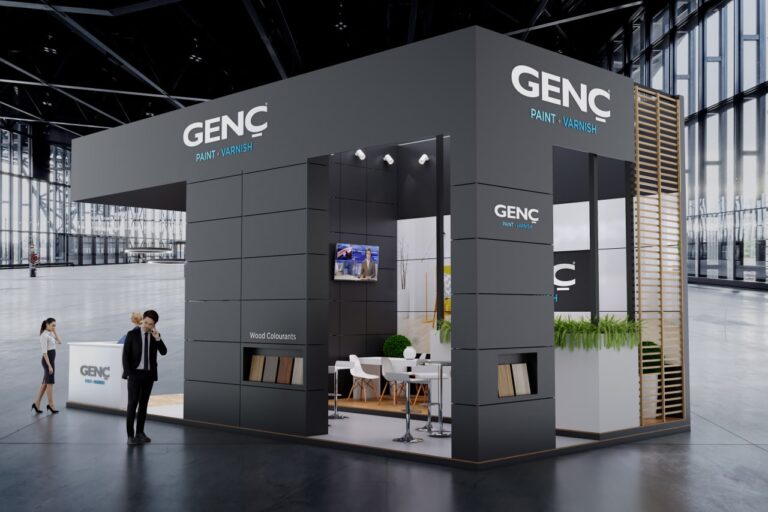
Exhibition stands
Exhibition stands for EXPO, forums and presentations: structure, printing and installation in time for the opening.
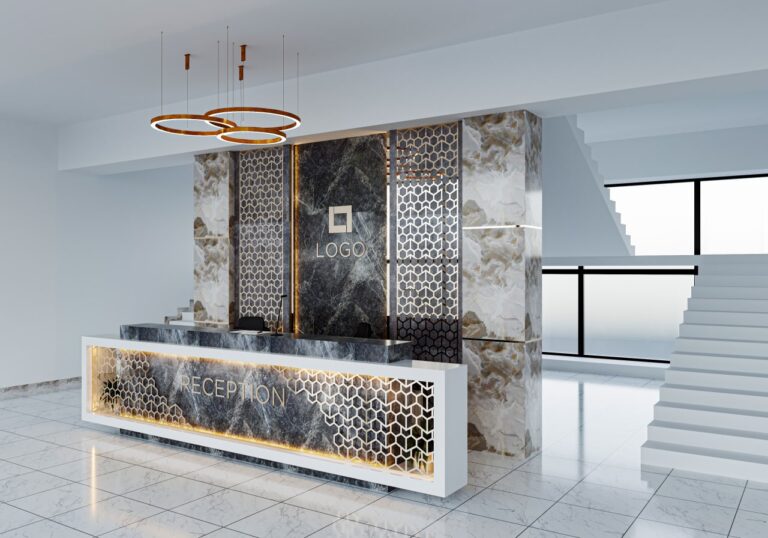
Showroom
Zoning, display cases, lighting and wayfinding, so that the product introduces the brand by itself.
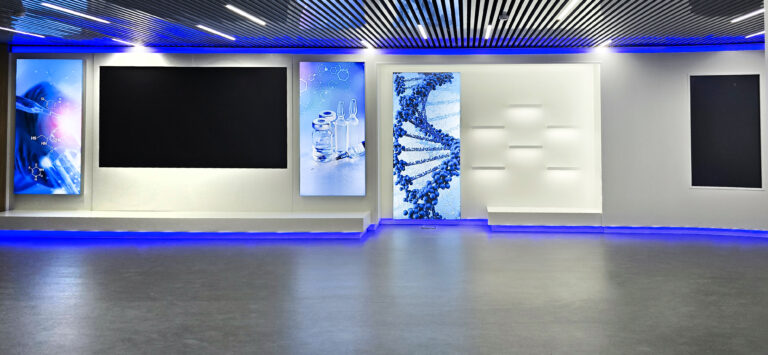
Comprehensive design
Concept, design, production and installation in one project with a unified style.
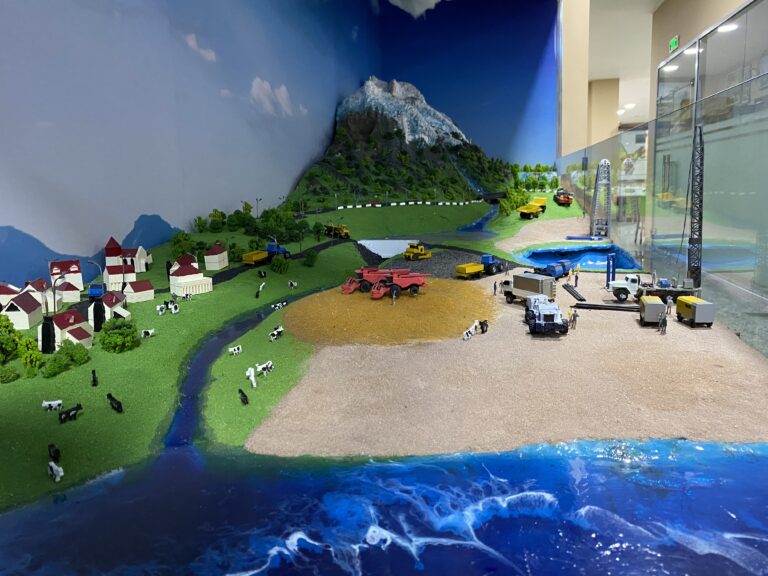
Scenography
Stage, backdrops, brand zones and structures built around the scenario of your event.
Special effects
Lighting, projection, mapping and interactive features synchronized with your program.
Production and installation by the opening date, with on-site control
We take on the full cycle of work: preparing layouts, manufacturing structures and elements, printing, assembly and installation. We plan stages and logistics in advance so that everything is ready for the opening and needs no "finishing touches on site".
The service suits museums, temporary exhibitions, forums, presentations and EXPO projects. After agreeing dimensions and requirements we will quickly prepare a quote and propose materials and timelines.
Ready to launch your advertising soon?
Write to us and we will quickly guide you through the possible solutions, agree on the materials and propose a launch plan.
We can join at any stage: from idea and design to production, placement and ongoing support.
Museum and EXPO design: materials, timelines and technologies
Exhibition equipment: display cases, podiums and information boards with assembly accuracy to 1 mm
Any exhibition rests on three types of structures: display cases for fragile and valuable objects, podiums for large objects and information boards for graphics and texts. Display cases are made of tempered or laminated glass 6-10 mm thick, with a frame of anodized aluminum or powder-coated steel. Glass joints are ground and bonded with UV adhesive so that the joint line stays almost invisible.
Podiums are built from MDF 18-25 mm or laminated chipboard with PVC edging, and the frame is reinforced for loads of 150 kg/m² and more, for a sculpture, model or heavy exhibit. Surfaces are painted in a matte or semi-matte RAL shade so that glare does not interfere with viewing. Wall and floor boards are mounted on concealed fixings, with cable channels hidden inside the structure.
For mobile and temporary EXPO projects in Tashkent, demountable systems are used: they are transported in transport cases and installed without welding in one day. This is convenient for brands that exhibit at several venues in a season.
Interactive features increase the time spent at an exhibit by 2-3 times on average
Visitors linger longer where they can interact with the content. That is why exhibitions incorporate touch panels of 32-65 inches, projection surfaces and multimedia guides. Touch panels are mounted on vandal-resistant glass, and the interface is in Uzbek, Russian and English, for the mixed audience of museums and exhibitions.
Projection works in two formats: frontal onto a screen or wall, and mapping onto three-dimensional objects such as models, reliefs and display cases. For mapping, projectors with brightness from 5000 ANSI lumens are chosen so that the image stays legible under normal hall lighting. Sound is zoned with directional speakers so that the soundtracks of neighboring zones do not overlap.
A multimedia guide on a tablet or via QR leads the visitor along the route and shows 3D models and archive materials. The content is linked to the wayfinding system so that people do not lose their bearings in large spaces.
| Element | Purpose | Material / technology | Features | Typical sizes |
|---|---|---|---|---|
| Tabletop display case | Display of small and valuable items | Laminated glass 6-8 mm, aluminum frame | Dust protection, silica gel, LED lighting CRI ≥ 90 | 600×400×500 mm |
| Floor-standing display case | Exhibits viewable from all sides (360°) | Tempered glass 8-10 mm, steel | UV adhesive on joints, lock, concealed cable channel | 500×500×1800 mm |
| Podium | Sculpture, model, large object | MDF 18-25 mm, RAL paint | Load capacity from 150 kg/m², matte surface | 800×800×300 mm |
| Information board | Graphics, texts, diagrams | PVC, composite, UV printing | Concealed fixings, replaceable panels | 1000×2000 mm |
| Touch panel | Interactive content, catalogs | Display 32-65", vandal-resistant glass | Multilingual interface (uz/ru/en) | from 43" |
| Projection / mapping | Dynamic content mapped onto the object | Projector from 5000 ANSI lumens | Sound synchronization by zone | to suit the object |
| Track lighting | Accent on the exhibit | LED fixtures, 15-24° beam angle | UV/IR cut-off, dimming by scenario | modular |
Museum lighting: CRI ≥ 90 and UV/IR cut-off to protect exhibits
Light both shows an exhibit and damages it if chosen wrongly. Museums use LED fixtures with a color rendering index CRI ≥ 90 and filtering of ultraviolet and infrared radiation. Ultraviolet fades paper, fabrics and paints, so illuminance is kept within 50 lux for graphics and textiles and up to 150-200 lux for paintings.
Accent lighting is built on track and recessed fixtures with a narrow 15-24° beam angle, so the beam picks out the object while the background stays subdued. Fill light comes from linear profiles and from lighting inside the display cases on low-voltage LED strips, which barely heat up or dry the air around the object.
Lighting scenarios are programmed for dimming and timers: morning, daytime and evening modes plus separate schemes for events and filming.
A turnkey project, from concept to installation, takes 4-10 weeks
The project goes through four stages: concept, design project, production, installation. The concept stage forms the exhibition idea, viewing route, zoning and estimate. The design project delivers a 3D visualization, equipment drawings, lighting and wayfinding plans and a materials specification, so the client sees the result before production starts.
Display cases, podiums, information boards and graphics are produced in our own workshop, while interactive equipment and lighting are purchased and programmed for the project. Installation at the site in Tashkent includes assembly of structures, power and low-voltage cabling, multimedia setup and final lighting adjustment. Timelines depend on area and complexity: a compact exhibition takes from 4 weeks, a museum hall with interactive features 8-10 weeks.
Climate and security are handled separately: sealed display cases with silica gel keep humidity within the required range, and sensors and protective glass guard exhibits against damage and theft.
Frequently asked questions
How long does turnkey exhibition design take?
From 4 to 10 weeks depending on area and content. A compact exhibition without complex interactive features is assembled in 4 weeks, a museum hall with multimedia and custom lighting in 8-10 weeks, including concept, design project, production and installation.
What lighting is safe for old exhibits?
LED fixtures with CRI ≥ 90 and UV/IR filtering. Illuminance is kept within 50 lux for graphics and textiles and 150-200 lux for paintings. LED barely heats up or dries the air around the object, which extends its preservation life.
Can equipment be moved between venues?
Yes, demountable systems are installed without welding in one day. Structures are moved in transport cases, which suits brands and organizers who exhibit at several EXPO venues in Tashkent and other cities in a season.
How are exhibits protected from humidity and theft?
Display cases with a perimeter seal and silica gel keep humidity within the required range. Tempered or laminated glass, mortise locks and sensors are added as well. This set protects objects from both climate damage and unauthorized access.
What does an exhibition design project include?
The design project includes a 3D visualization of the halls, equipment drawings, lighting and wayfinding plans, a materials specification and a cost estimate. The client sees the final look of the space and the viewing route before production starts, which prevents costly rework during installation.