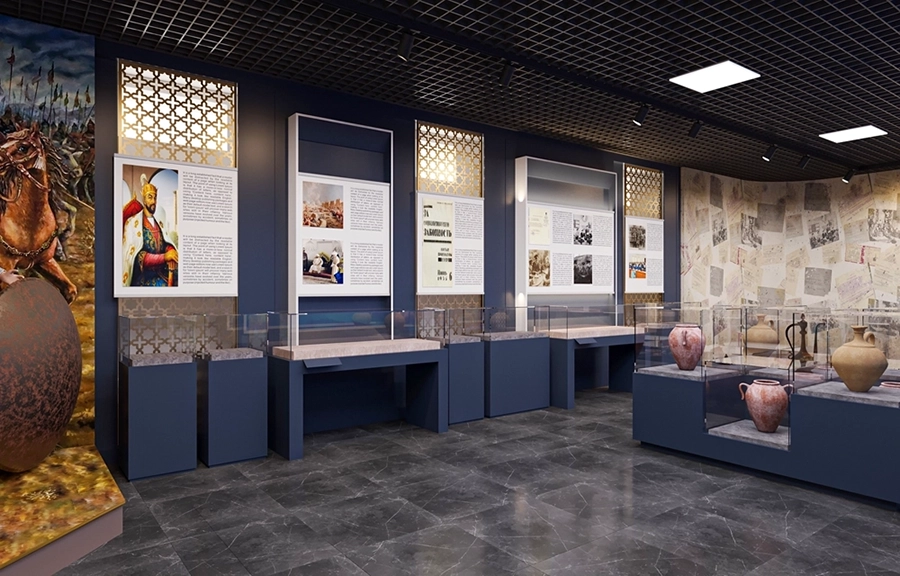
Museum display cases are chosen for the object: the construction type sets the viewing angle, the glass provides clarity and safety, and the sealing and lighting decide how long an exhibit keeps its condition. Paper, textile and wood need 45-55% humidity, about 50 lux and light without ultraviolet, while metal and stone tolerate more.
Types of museum display cases
The construction is chosen for the object, and six formats cover most halls.
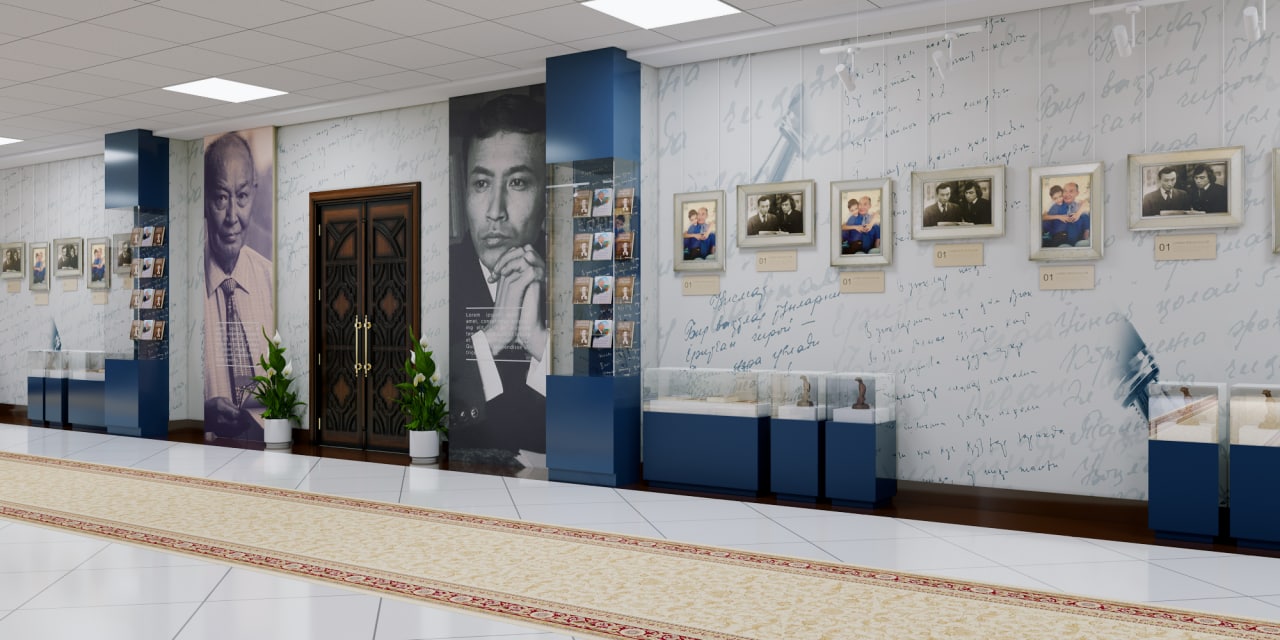
- A tabletop case 90-120 cm high for coins, jewelry and manuscripts at eye level. A version with a 15-30° sloped top suits books, maps and finds without glare.
- A floor-standing case up to 200 cm for costumes, weapons and sculpture with a 360° view.
- A wall case 8-20 cm deep for paintings, documents and bas-reliefs.
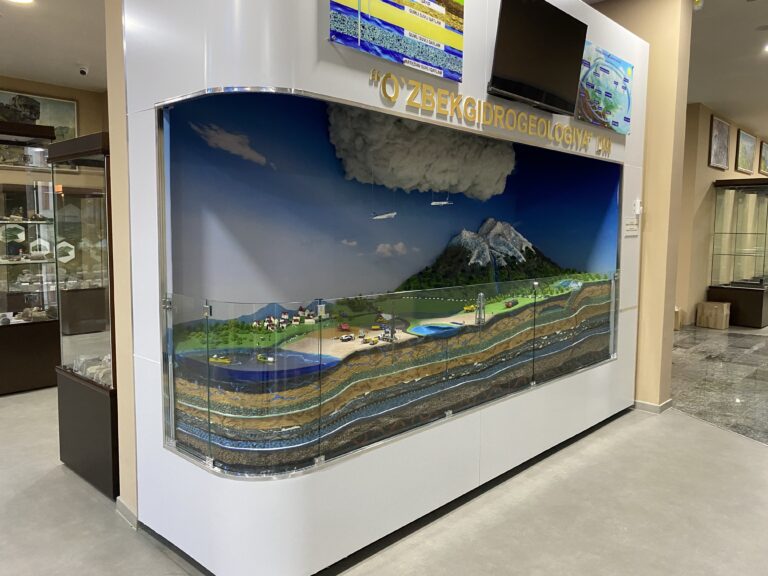
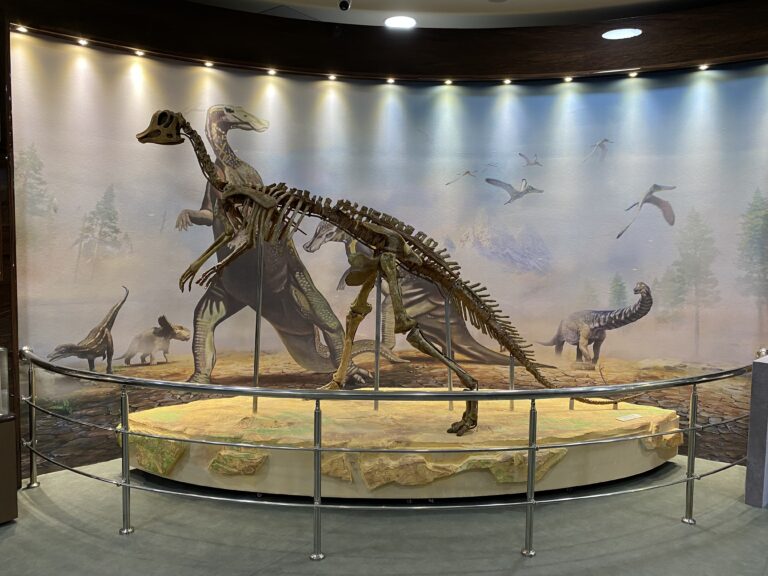
- An island case in the middle of the hall, viewed from every side: models, large objects, themed sets.
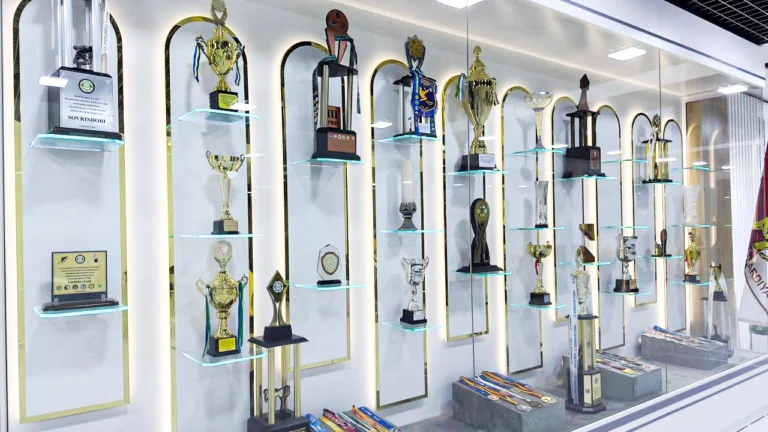
- A cabinet case with shelves for serial objects such as tableware, minerals and numismatic sets.
- A one-piece glass or acrylic cover on a plinth for a single object with minimal visible fixings.
An island case needs free space around it: a walkway of 120 cm or more is planned for circling and for a group of visitors. In a small hall wall and corner solutions pay off, since they keep the center free for the route. Cabinet cases go where there are many objects to show side by side, and covers are kept for single exhibits that need empty air around them.
Which glass to use and how thick
Low-iron museum glass transmits up to 91% of light and does not give edges the green tint of ordinary float glass. An anti-reflective coating cuts reflections to roughly 1%, so the exhibit is seen without patches from windows and hall lamps.
Tempered glass of 6-10 mm breaks into blunt granules and suits most cases. For one-of-a-kind objects we use laminated glass: the interlayer holds the shards and absorbs impact. A small cover needs 6 mm, a floor case up to two meters tall needs 8-10 mm, and the exact thickness is calculated for the door size.
Where daylight reaches the hall, a UV-blocking film is added to the glass. Paper, textiles and pigments fade from ultraviolet fastest.
Glass joints are bonded with UV adhesive and the seam stays almost invisible: frames are only needed where they carry load. The frame is painted matte or semi-matte so glare does not distract from the object. Lighting, cables and sensors are hidden inside the structure.
Acrylic is lighter than glass and does not shatter, so it is chosen for covers and traveling exhibitions. In return it scratches easily, builds up static, attracts dust and sags over wide spans. For a permanent exhibition with a large case, glass remains the more reliable option.
Sealing and climate inside the case
Organic materials need 45-55% humidity without sharp daily swings. Swings do more damage than a small deviation from the norm: wood cracks, fabric warps, metal corrodes.
Silica gel and active control
The passive approach is a perimeter seal plus silica gel in the lower compartment. Art-Sorb is used at 1-2 kg per cubic meter of volume. It smooths fluctuations, but it has to be checked and eventually replaced.
For especially sensitive exhibits an active climate control with sensors is installed: the system holds the set value itself and reports deviations.
Dust protection
Dust on an exhibit spoils its look and acts as an abrasive during cleaning. The door is sealed along the whole perimeter and vent openings are covered with a filter. A case without a good seal will not hold humidity either: dust protection and climate depend on the same detail.
Interior materials and monitoring
Inside the case humidity figures are not the only thing that matters. Painted chipboard and some adhesives release volatile compounds that attack metal and pigments. Backings and finishes are chosen to be inert: glass, metal, MDF with a barrier coating, natural fabric without dyes. Temperature is held near 18-22 °C, and temperature and humidity sensors with logging let you spot drift before it reaches the object.
Lighting inside the case
LED fixtures with a color rendering index (CRI) of at least 90 and no ultraviolet render color close to daylight. Infrared is cut so the light does not heat the object. The source itself sits in the upper compartment or on a profile. For the most delicate objects the light is delivered through fiber optics, so the heat stays outside the case.
Illuminance is dosed by exhibit type: 50 lux for graphics and textiles, 150-200 lux for oil paintings, up to 300 lux for metal and stone. Scenarios are tied to dimming and a timer so the light is off when the hall is empty.
Fixtures with a narrow 15-24° beam aim light precisely at the object and avoid hot spots on the glass. The source is placed so that its reflection travels past the visitor's eyes instead of sitting on the exhibit over the label. The total light dose over a year is cut with a timer and a presence sensor, which extends the life of sensitive materials.
Locks, sensors and vandal resistance
The case is protected by locks with a concealed cylinder, opening sensors and vibration sensors. The signal goes to the museum security system and any attempt to open the case is logged at once. Tempered or laminated glass takes impact, and in halls with children and heavy traffic rounded corners and hidden fixings are added.
The frame is made from aluminum profile, steel or coated MDF. Aluminum gives a light, rigid structure with thin frames, steel is needed for large floor cases, and MDF goes into plinths and podiums painted or veneered to match the interior.
Museum staff need access inside to swap an exhibit, replace silica gel or adjust the light. A door lifted on gas struts, a pull-out platform or a removable cover make this possible without dismantling the structure. Such access is best put into the drawing from the start, since reworking a finished case costs more.
For halls with schoolchildren and heavy traffic the case is fixed to the floor or wall so it cannot be tipped over, and the lower glass edge and frame corners are rounded. Low cases get a plinth that nobody can trip over.
How to choose a case for your type of exhibits
It is best to start with the object: size, material, sensitivity to moisture and light, value, and whether it needs to be seen from every side. Then the hall is checked for walking space, window positions and a security system. The table collects typical combinations.
| Case type | Suitable exhibits | Glass | Climate |
|---|---|---|---|
| Tabletop, 90-120 cm | Coins, jewelry, manuscripts | Tempered 6 mm or laminated | Silica gel, 45-55% humidity |
| Floor-standing, up to 200 cm | Costumes, weapons, sculpture | Tempered 8-10 mm | Perimeter seal, silica gel |
| Wall case, 8-20 cm deep | Paintings, documents, bas-reliefs | Low-iron with anti-reflective coating | 50 lux for graphics, 150-200 lux for oil |
| Island case | Models, large objects | Tempered 8-10 mm | Silica gel, 1-2 kg per m³ |
| Cabinet case | Tableware, minerals, numismatic sets | Tempered 6-8 mm | Silica gel, up to 300 lux for stone and metal |
| Cover on a plinth | One high-value object | One-piece glass, acrylic or laminated | Active climate control with sensors |
There are three places where mistakes happen most often. The case is turned sideways to a window and a reflection lives in the glass all day. A body that is too deep is chosen, and objects at the back get lost. Maintenance is forgotten and it turns out that silica gel can only be changed by removing the glass. All three are closed off at the drawing and mock-up stage, while the case has not yet been made.
Aesthetic Pro makes museum display cases and stands in Tashkent: hall measurements, drawings, glass matched to the object, lighting, locks and installation. Serial cases take 3-4 weeks on average, projects with climate control 4-8 weeks. Equipment details are on the page for museum display cases and stands, and the general sequence of work on a hall is described in the article on how to create a museum and on the turnkey museum creation.
Frequently asked questions
What humidity is needed inside a museum display case?
For organic materials 45-55% without sharp daily swings is suitable. Art-Sorb silica gel goes into the lower compartment at 1-2 kg per cubic meter, and especially sensitive objects get active climate control with sensors.
Which glass is best for a museum display case?
Tempered glass of 6-10 mm suits most cases, and laminated glass is used for one-of-a-kind objects. Low-iron glass with an anti-reflective coating gives maximum clarity and removes reflections.
What illuminance is acceptable for sensitive exhibits?
About 50 lux for graphics and textiles, 150-200 lux for oil paintings, up to 300 lux for metal and stone. Fixtures are chosen with CRI 90 or higher and no ultraviolet, and infrared is cut.
How long does it take to make museum display cases in Tashkent?
Serial cases take 3-4 weeks on average. Complex projects with climate control and glazing for a specific exhibit take 4 to 8 weeks, and the exact term is given after measurements and drawing approval.
How can exhibits in a case be protected from theft?
Locks with a concealed cylinder, opening sensors and vibration sensors are installed, and the glass is tempered or laminated. The signal goes to the museum security system so any attempt to open the case is logged immediately.
Can cases be reconfigured for a new exhibition?
Yes. Besides fixed cases, mobile structures and modular systems are made that can be reassembled for another exhibition. For temporary exhibitions this option is more practical.
Related services
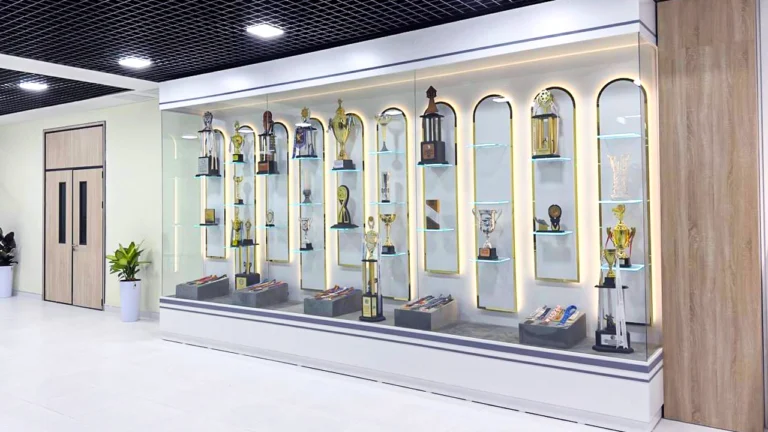
Display cases and information boards
Display cases, information boards, podiums, holders and wayfinding for permanent and temporary exhibitions.
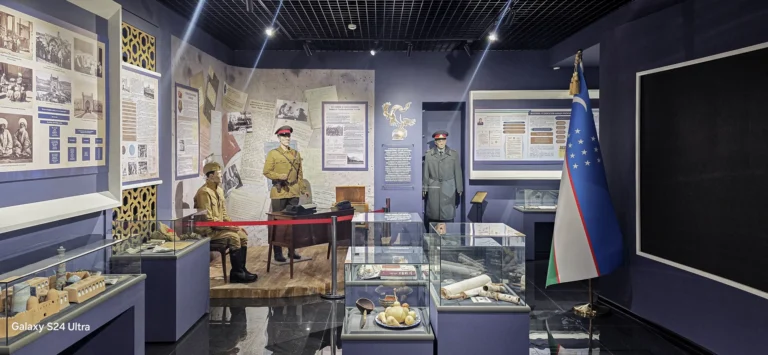
Museum creation
Museum concept, design, display cases, lighting, multimedia and installation in a single project.